

The BBQ dinner is one of the headline attractions of an evening desert safari. Every listing mentions it. Most show the same well-lit photos of grilled meats, colourful salads, and golden desserts arranged on a buffet.
Dubai Tips & Guides
> Desert Safari Food & Menu Dubai
What none of those listings tell you is what the food actually tastes like at each price tier, what happens if you have dietary restrictions, whether your kids will eat any of it, or what arrives at the table versus what appeared in the marketing shot.
This guide covers all of it — the real menu, the quality differences between budget and premium, how dietary needs are handled, and what to eat (and avoid) before the dune bashing even starts.
See our Complete Desert Safari Guide →
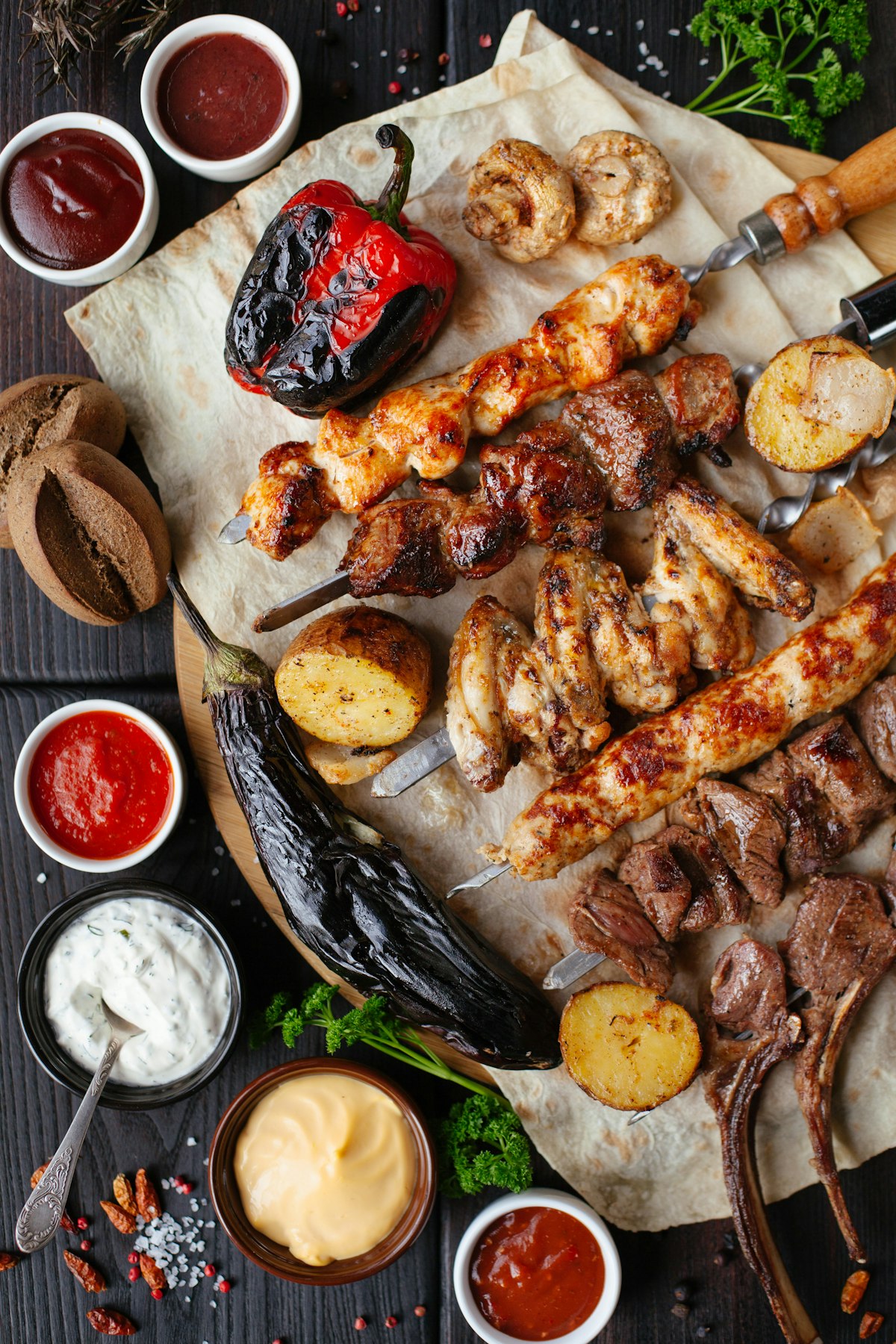
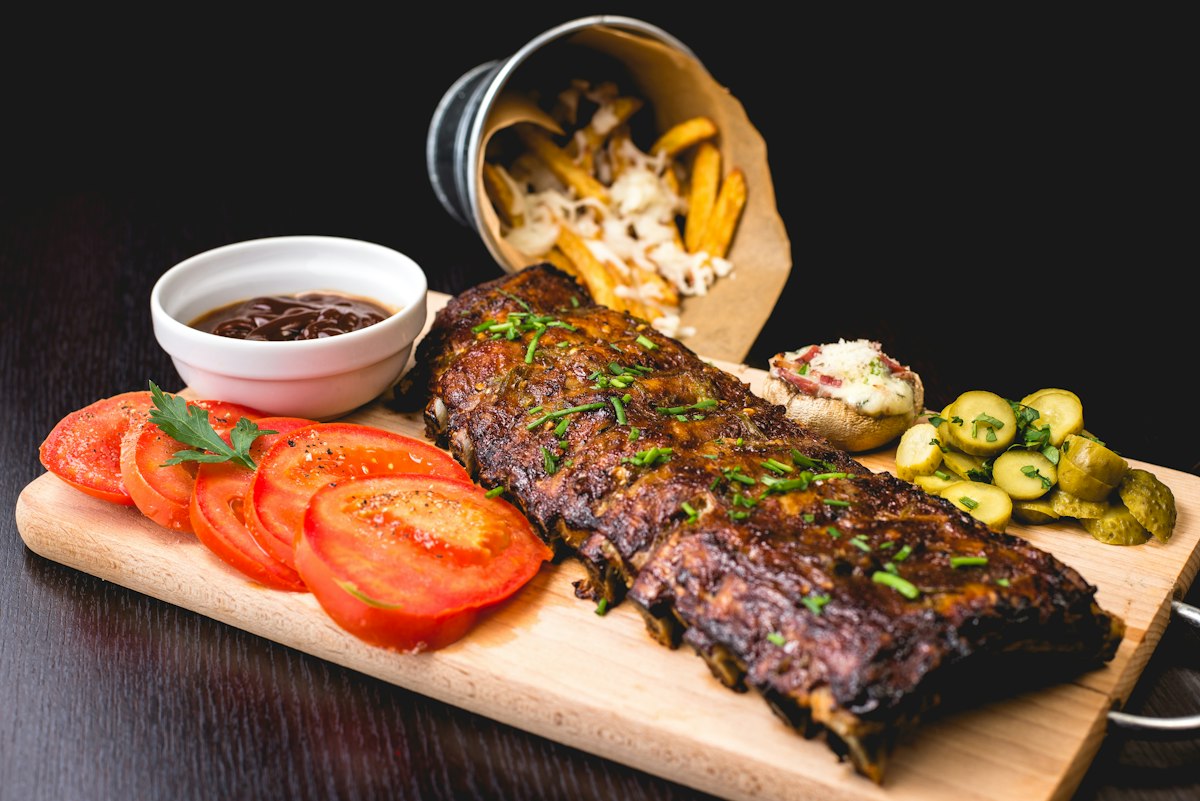
The food is one of the biggest quality gaps between a budget and a premium desert safari. The activities may feel similar across tiers. The food does not.
Format: Buffet line, large camp (100–150 guests).
What you get: The basics — hummus, salad, chicken kebabs, rice, bread, and a dessert or two. Grilled items are often pre-cooked and held warm rather than grilled fresh. Salads are standard and pre-dressed. Dessert is typically fruit and one Arabic sweet.
Drinks: Water and basic soft drinks. No specialty beverages.
Honest assessment: The food is filling but unremarkable. If you have eaten at a decent Middle Eastern restaurant, this will not compare. The quantity is fine; the freshness and flavour are average. Think hotel breakfast buffet quality, not restaurant quality.
Format: Buffet line, medium camp (50–80 guests).
What you get: A wider spread — more salad options, both chicken and lamb on the grill, biryani rice, and 2–3 desserts including luqaimat. Grilled items are more likely to be cooked to order or in smaller batches. Arabic coffee and dates are served as a welcome ritual.
Drinks: Water, soft drinks, Arabic coffee, and sometimes karak chai.
Honest assessment: Noticeably better than budget. The meat has more flavour, the salads are fresher, and the desserts include at least one or two standouts. This is the tier where most tourists feel the food was good — not exceptional, but a solid part of the evening.
Format: Smaller buffet or family-style platters, quieter camp (20–40 guests).
What you get: Multi-course meal rather than a standard buffet line. Starters are plated. Grilled meats are cooked fresh in smaller quantities with better cuts — lamb chops rather than kofta, whole spatchcock chicken rather than generic pieces. Salads use better ingredients. Desserts may include umm Ali, kunafa, or a chocolate option alongside Arabic sweets.
Drinks: Water, soft drinks, fresh juices, Arabic coffee with premium dates, and sometimes sparkling water.
Honest assessment: This is where the food goes from "part of the package" to "part of the reason you came." Smaller camps mean fresher cooking, better presentation, and staff who actually explain what you are eating. The difference between mid-range and premium food is the single biggest quality jump across the entire safari experience.
Format: Plated multi-course dinner at a private or semi-private table. Dedicated server.
What you get: A curated menu — sometimes 4–6 courses — with a starter, soup or appetiser course, choice of grilled main, sides, and a plated dessert. Some operators offer a tasting-menu format with smaller portions across more courses. The meat quality is restaurant-grade. Vegetarian and dietary options are prepared individually, not pulled from a shared buffet.
Drinks: Full beverage service including fresh juices, mocktails, and premium Arabic coffee. Some operators offer wine or champagne with VIP packages — confirm when booking, as alcohol availability varies.
Honest assessment: This is fine dining in the desert. The food competes with mid-range Dubai restaurants. You are paying for the setting, the privacy, and the quality together. For special occasions or food-focused travellers, this tier delivers.
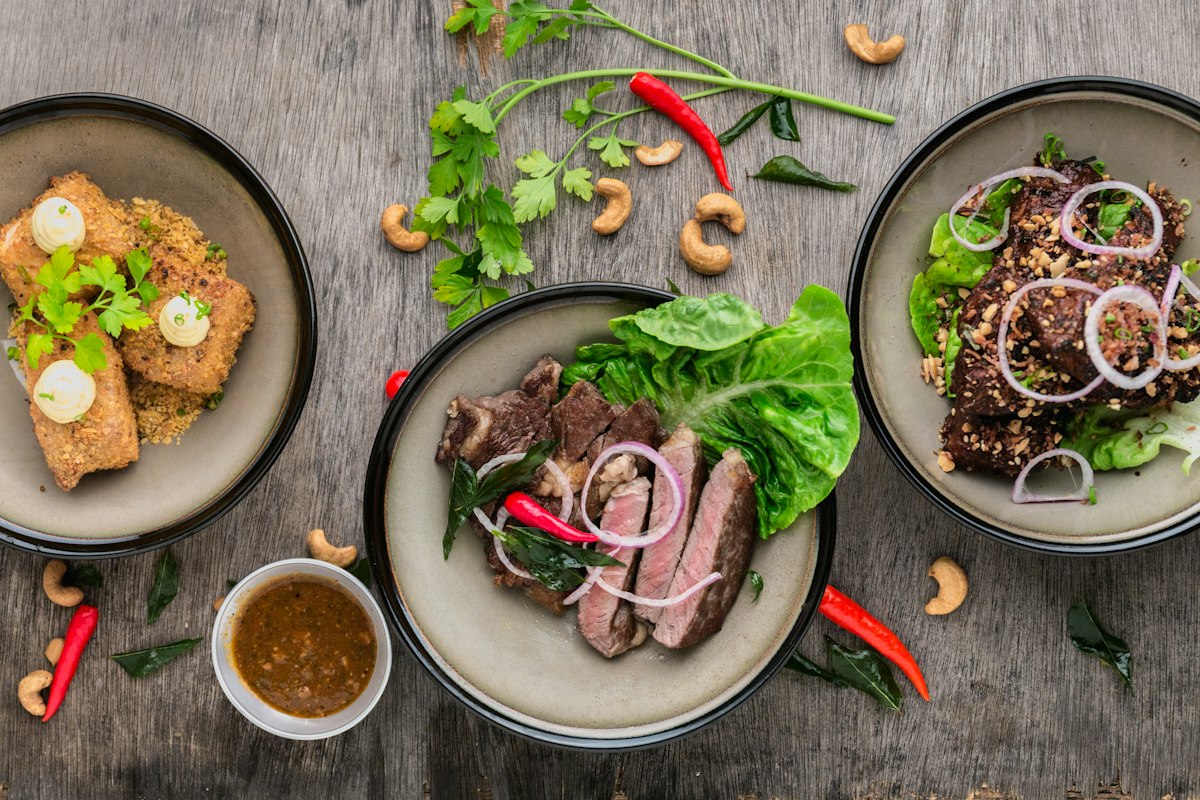
The evening BBQ dinner gets the most attention, but what you eat depends on which safari you book.
Most morning safaris do not include a full meal. Expect light refreshments — water, soft drinks, and sometimes Arabic coffee with dates at a brief stop. Some premium morning safaris include a light breakfast spread (fruit, pastries, juice) at the camp.
Eat breakfast before a morning safari. The food provided is a snack, not a meal.
The standard BBQ dinner described above. Dinner is served after dune bashing, sunset, and the initial camp activities (sandboarding, camel rides, henna). Eating typically begins around 7:30–8:00 PM and runs for 45–60 minutes alongside entertainment performances.
Overnight safaris include two meals: dinner (similar to the evening safari BBQ) and breakfast the following morning. Breakfast is typically lighter — eggs, bread, jam, fruit, tea, and coffee. Some premium overnight operators serve a traditional Emirati breakfast with balaleet (sweet vermicelli with egg) and chebab (saffron pancakes).
Between dinner and breakfast, some camps provide light snacks — dates, nuts, fruit — available through the evening for guests staying up.
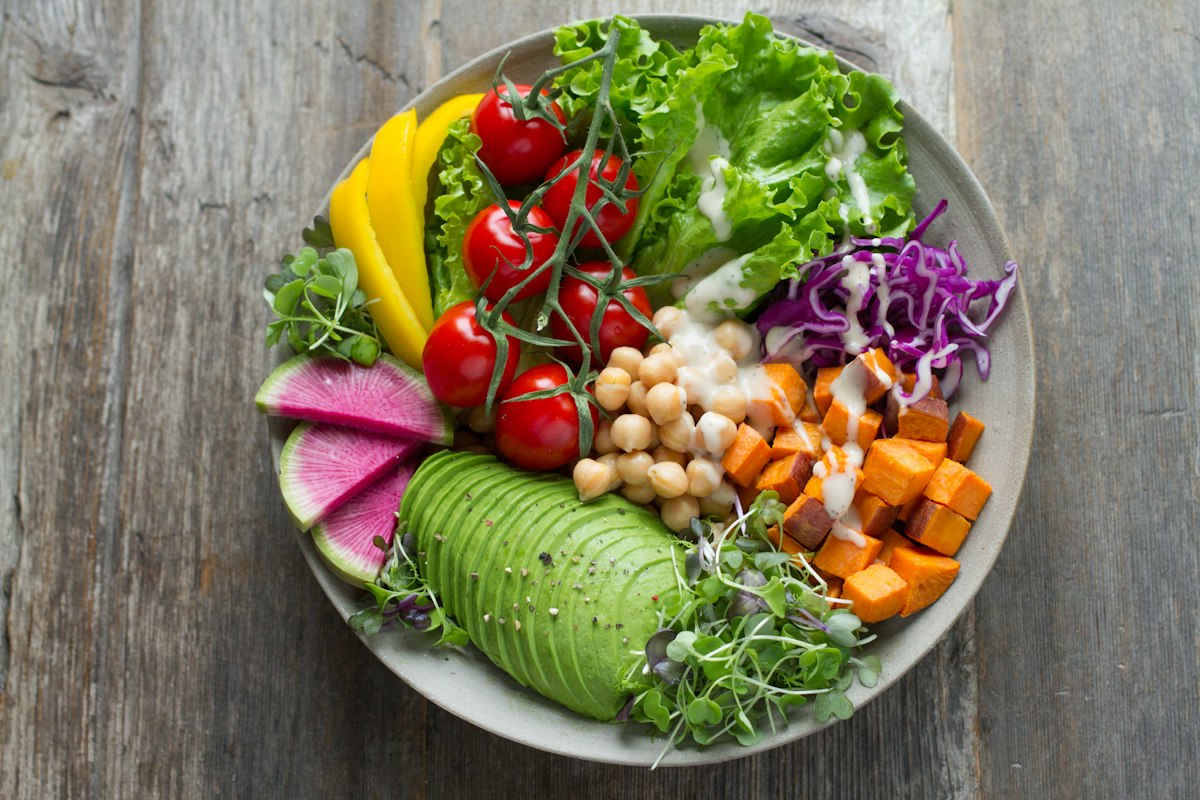
All food at desert safari camps is halal. The meat is halal-sourced, and there is no pork served at any camp. This is standard across the industry — you do not need to request it.
Handled well at most camps. The buffet always includes vegetarian options: hummus, salads, rice, bread, grilled vegetables, and desserts. At mid-range and above, there are enough options for a full meal without meat. At budget camps, the vegetarian selection is more limited — expect salad, rice, bread, and one or two sides.
Vegetarian food at budget camps tends to be an afterthought. If vegetarian dining matters to you, book mid-range or above where the salad and sides are substantial enough to feel like a proper meal.
Possible but requires advance notice. Standard buffets include accidentally vegan items (hummus, salads, rice, bread, fruit), but dedicated vegan options — dishes prepared without dairy, butter, or ghee — need to be requested at least 48 hours before the safari. Premium operators handle this well. Budget operators may struggle.
"Can you prepare vegan dishes that contain no dairy, butter, ghee, or honey?" General "vegetarian" requests will likely include dairy-based items.
Manageable with awareness. Grilled meats, rice, salads, hummus, and fruit are naturally gluten-free. The risks are in marinades (some contain soy sauce or flour), shared grills, bread-based desserts (baklava, umm ali), and cross-contamination on the buffet line.
Inform the operator in advance. Premium operators can prepare a gluten-free plate separately. Budget camps with large buffets have higher cross-contamination risk.
This requires specific attention. Several signature Arabic desserts contain nuts — baklava (pistachio, walnut), umm Ali (mixed nuts), and luqaimat is sometimes served with crushed pistachios. Arabic coffee is nut-free but is often served alongside dates that may be stuffed with almonds.
Inform the operator at the time of booking, not on the day. A reputable operator will flag nut-containing dishes, prepare a nut-free dessert option, and brief the camp staff. If an operator cannot clearly answer your nut allergy questions before booking, choose a different operator.
Desert safari menus are built for adult tourists. There is no dedicated kids' menu at most camps. Here is what works for children and what does not.
Chicken kebabs (mild and familiar), French fries (always available), plain rice, bread, and fruit. These items are present at every camp and require no special request.
Heavily spiced dishes, unfamiliar salads (tabbouleh, fattoush), moutabel, and Arabic desserts that do not resemble anything they recognise.
Most grilled items are mildly seasoned — garlic, lemon, light spices. The food is not spicy by default. Biryani is the most seasoned dish on a standard menu, and even that is mild to moderate. Children who eat grilled chicken at home will eat the chicken kebabs at a desert safari.
Feed them a proper meal before the safari. The camp food then becomes optional — they can pick at what they recognise (chicken, fries, rice, fruit) without the pressure of it being their only dinner. This avoids the scenario where a hungry child refuses everything on the buffet.
Not available at most camps. Desert camps use low seating — cushions around low tables, or bench-style seating. Bring a lightweight portable seat if your child needs one.
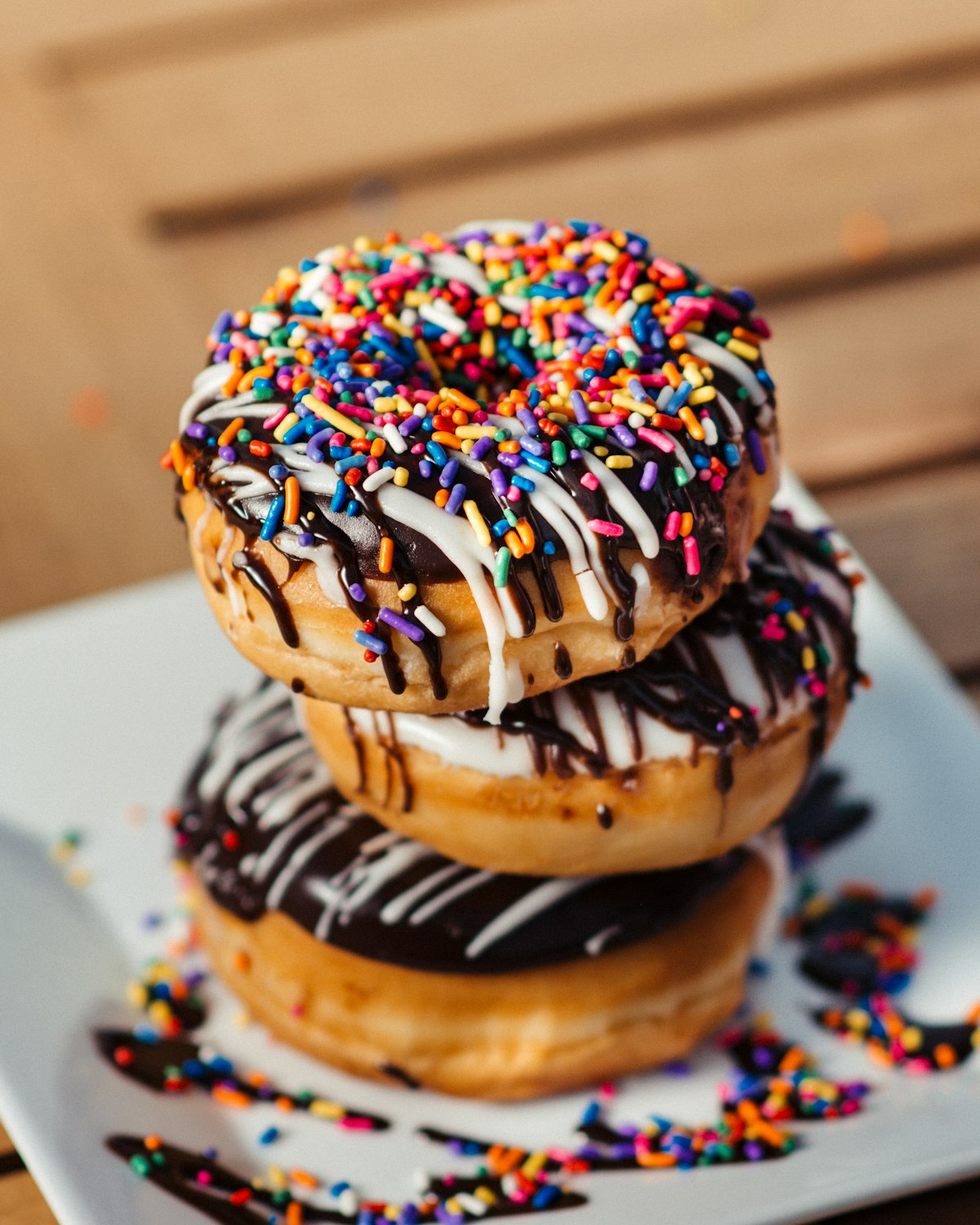
The BBQ dinner is served after dune bashing, not before. This matters for your stomach.
Eat a light lunch. Avoid heavy, greasy, or dairy-rich meals in the 2–3 hours before your pickup time. Dune bashing on a full stomach is a common recipe for motion sickness.
Toast, crackers, fruit, a light sandwich. Something in your stomach without being heavy.
Large pasta dishes, fried food, creamy sauces, excessive dairy. An empty stomach is also not ideal — low blood sugar combined with the heat and motion can cause nausea.
Drink water throughout. The desert is dry, and dehydration contributes to both nausea and headaches. Most operators provide water during the dune bashing phase and at the camp. If yours does not, bring a bottle.
There is usually a 30–60 minute gap between the dune drive and dinner — enough time for your stomach to settle. Activities like sandboarding, camel rides, and henna painting fill this window before the buffet opens.
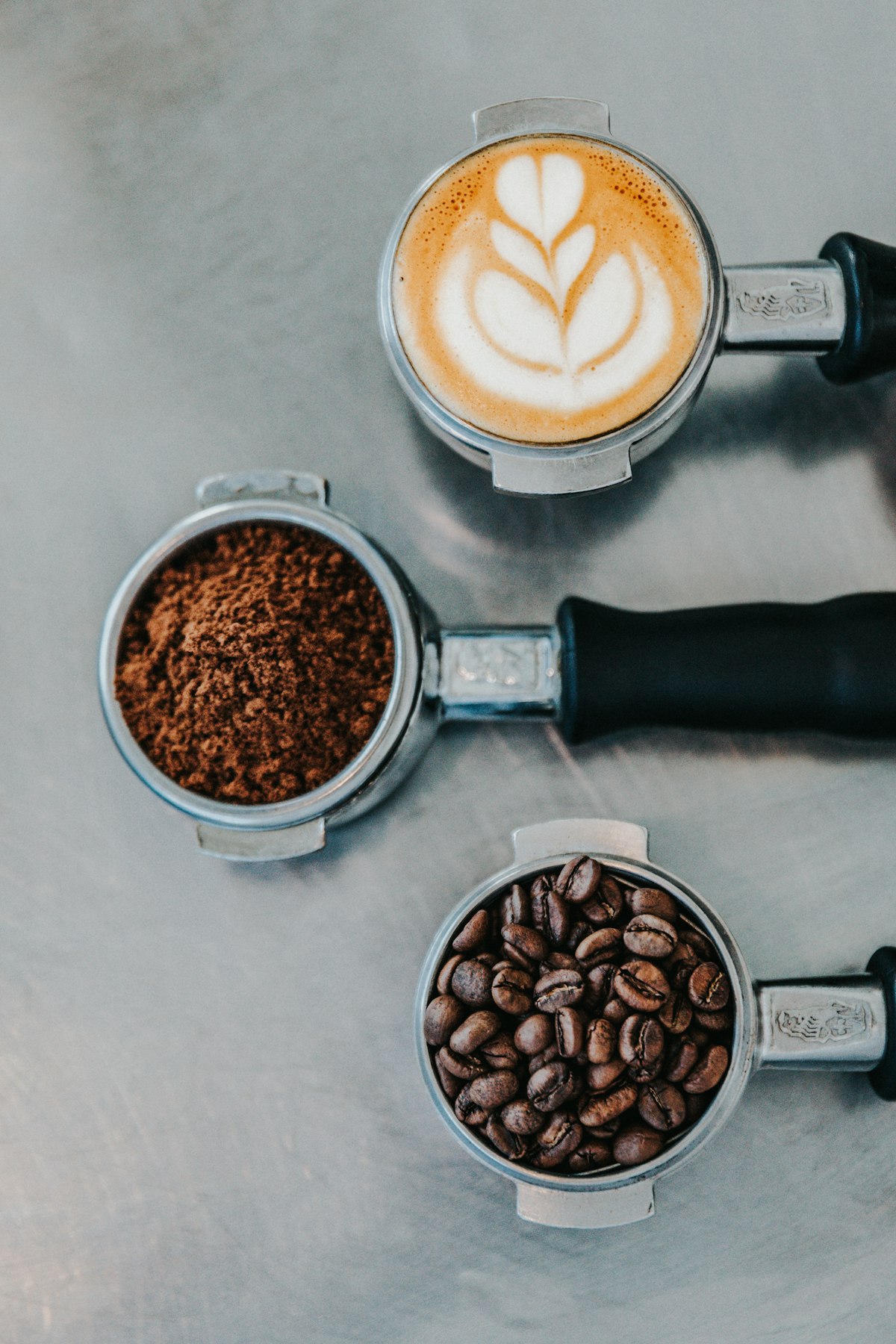
Most mid-range and premium safaris include a welcome ritual: small cups of Arabic coffee (gahwa) with a plate of dates. This is not a beverage service — it is a cultural tradition.
Arabic coffee is brewed with cardamom and served without sugar in small handleless cups. It tastes nothing like the coffee you drink at home — lighter, aromatic, slightly bitter, and flavoured with spice rather than roast. You are served a small amount (a few sips per cup) and can accept refills by holding your cup out, or signal you are finished by gently shaking the cup side to side.
The dates served alongside are typically Khalas or Khudri varieties — soft, sweet, and meant to balance the bitterness of the coffee. At premium camps, dates may be stuffed with almonds, tahini, or orange peel.
This ritual is one of the most genuinely Emirati moments in the safari experience. It is also one of the most commonly rushed or skipped at budget camps, where drinks are handed out without context.
Alcohol policies vary by operator and licence.
Budget and mid-range camps: Alcohol is typically not included and not available for purchase at the camp. Some operators offer a "drinks upgrade" that adds beer or house wine to the package — usually AED 50–100 per person.
Premium and VIP camps: Some include a drink or two (wine, beer, or a cocktail) in the package. Others offer a premium drinks menu at extra cost. A few high-end operators include unlimited house beverages.
If alcohol with dinner is a priority, ask the question directly. Listings that say "beverages included" often mean soft drinks and water only.
Tipping is not mandatory but is appreciated and common among international visitors.
Who to tip: Your driver/guide (who spent 1–2 hours with you in the dunes) and the camp service staff.
How much: AED 20–50 for the driver is standard. For exceptional service — a driver who was patient with children, adjusted for motion sickness, or went beyond the script — AED 50–100 is generous. Camp staff tips can be left at the table or handed to your server.
Tipping at desert camps is cash-based. Card tipping is not available at most camps. Bring small denominations of AED.
A standard evening safari includes a BBQ buffet dinner with Arabic and international dishes — hummus, salads, grilled chicken and lamb kebabs, rice, bread, and desserts like luqaimat and baklava. Arabic coffee and dates are served as a welcome refreshment. The menu range and quality vary significantly by price tier.
At budget camps, the food is basic and filling but not memorable. At mid-range camps, the food is solid — well-seasoned grills with a decent spread of sides and desserts. At premium and VIP camps, the food is genuinely good — fresh cooking, better ingredients, and a curated multi-course format. The quality gap between budget and premium is the largest of any aspect of the safari.
Vegetarian options are standard — hummus, salads, rice, grilled vegetables, bread, and desserts. Vegan food requires 48 hours advance notice for most operators to prepare dishes without dairy, ghee, or honey. Mid-range and premium camps handle dietary requests more reliably than budget operators.
Yes. All food served at desert safari camps in Dubai is halal. The meat is halal-sourced and no pork is served at any camp. This is industry standard and does not need to be requested.
Eat a light meal 2–3 hours before pickup. Dune bashing on a full stomach causes motion sickness, but an empty stomach in the heat is equally uncomfortable. A light sandwich, fruit, or crackers is the right balance. Dinner is served after dune bashing and camp activities, typically around 7:30–8:00 PM.
It depends on the operator and package. Budget and mid-range camps typically do not include alcohol. Premium and VIP packages may include wine, beer, or cocktails. Some operators offer an alcohol upgrade for AED 50–100 per person. Confirm availability and cost before booking if this matters to you.
The food at a desert safari is not the reason you book the trip — the dunes, the sunset, and the atmosphere are. But the right meal at the right tier turns a good evening into a complete one.
At budget level, set your expectations accordingly and enjoy the experience for what it is. At mid-range, you will eat well. At premium, you will eat very well. And at every level, accept the Arabic coffee and dates. That is the one part of the menu that has nothing to do with the price tier — and everything to do with being welcomed into the desert.
Book your desert safari and enjoy a traditional BBQ under the stars.