

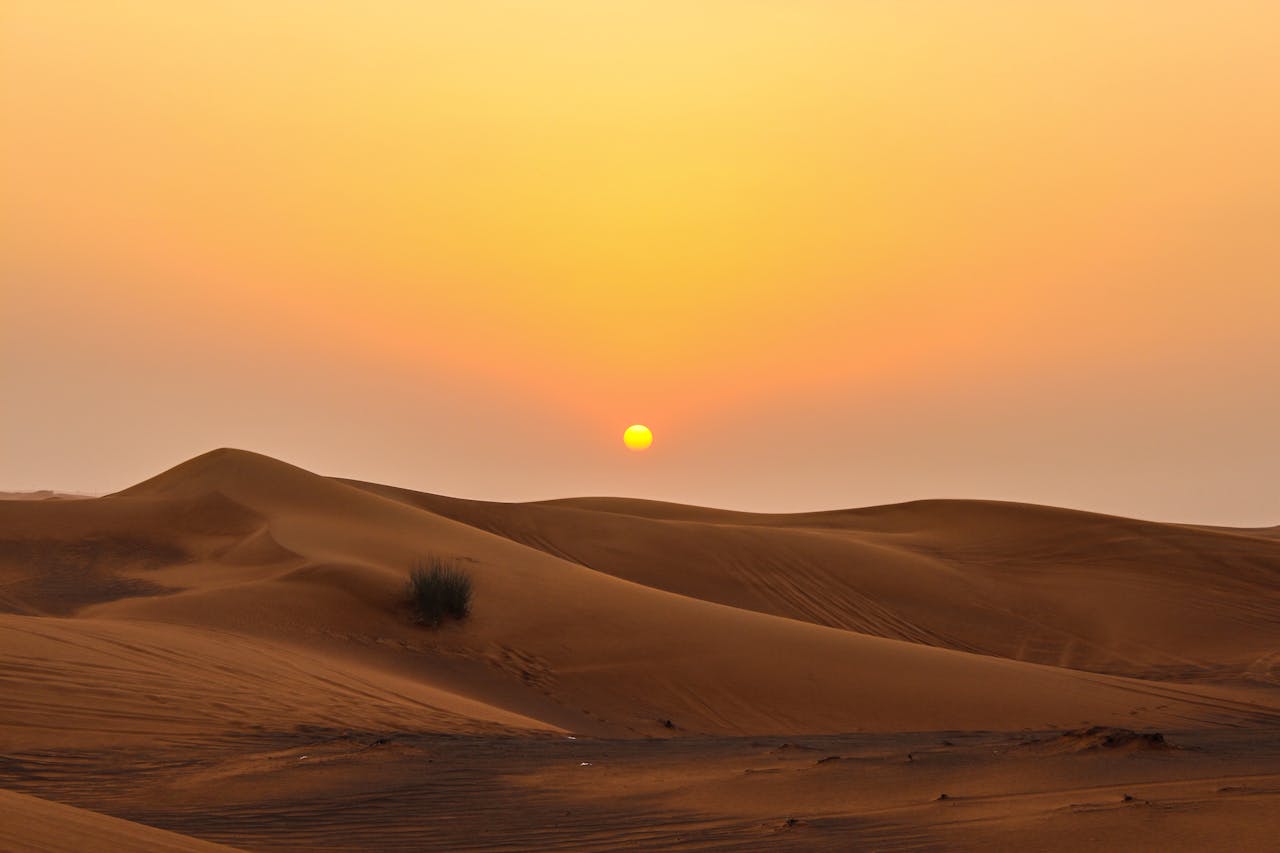
The short answer: November to March. The temperatures are comfortable, the sunsets are sharp, and every safari activity runs at full capacity.
Dubai Tips & Guides
> Best Time for Desert Safari Dubai
But the best time for your safari depends on more than weather. Your budget, the activities you want, your travel dates, and whether you are visiting during Ramadan or a major holiday all affect the experience. A summer safari at a fraction of the peak-season price might suit you better than a crowded December evening.
This guide breaks down every month, season, and timing factor so you can book the right safari for your trip.
See our Complete Desert Safari Guide →
| Season | Months | Daytime Temp | Crowd Level | Price Level | Verdict |
|---|---|---|---|---|---|
| Winter | Nov – Feb | 20–28°C | High | Peak | Best overall experience — book in advance |
| Spring | Mar – Apr | 28–36°C | Medium | Moderate | Good value, warm but manageable |
| Summer | May – Sep | 38–48°C | Low | Lowest | Hot but cheapest — morning safaris recommended |
| Autumn | Oct – Nov | 30–36°C | Medium | Moderate | Heat fading, crowds returning — sweet spot for value |
Daytime: 20–24°C | Evening: 13–17°C
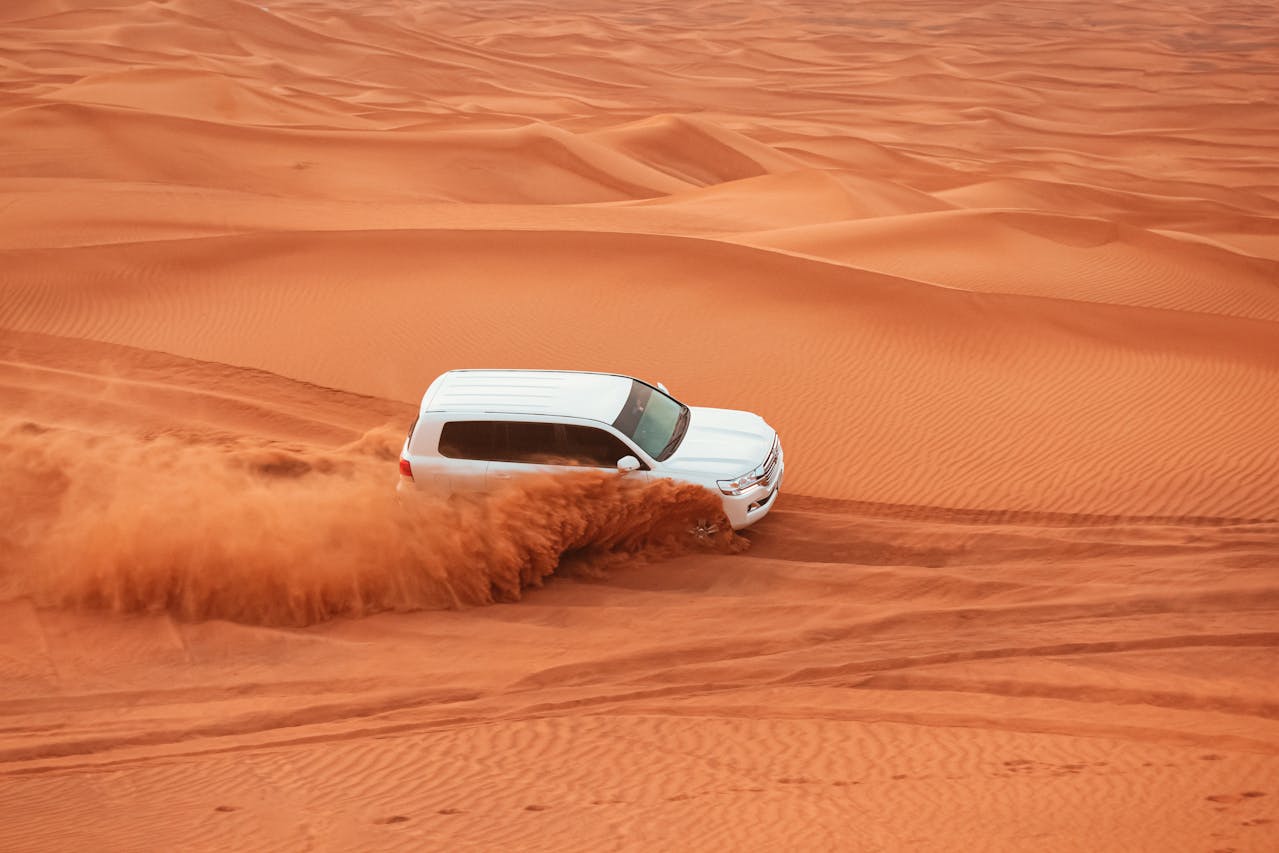
The most comfortable month for a desert safari. Cool, dry air makes every activity pleasant — dune bashing, sandboarding, camel riding, and the evening camp all feel effortless.
Downside: Peak tourist season. Evening safaris sell out, especially around New Year. Book at least two weeks ahead.
Verdict: Best month for weather. Worst month for last-minute bookings.
Daytime: 21–25°C | Evening: 14–18°C
Similar to January but with fewer tourists as the holiday rush fades. Slightly better availability and occasional mid-week deals.
Verdict: The sweet spot — peak-season weather with fewer crowds than December or January.
Daytime: 26–30°C | Evening: 18–22°C
Winter season kicks in. Afternoons are warm but comfortable, and evenings are pleasant without needing a heavy layer. Dubai Shopping Festival has not started yet, so crowds are moderate.
Verdict: Excellent choice. Warm enough for short sleeves, cool enough for a comfortable evening camp.
Daytime: 22–26°C | Evening: 15–19°C
Perfect weather, but this is the busiest month in Dubai. Tourists flood in for Christmas and New Year. Safari prices rise, and evening safaris often sell out days in advance.
Verdict: Beautiful conditions but plan ahead. Book your safari before you fly.
Dressing for winter evenings matters — the temperature drops fast once the sun sets. A light jacket is not optional between November and February.
What to Wear on Desert Safari →
Daytime: 25–30°C | Evening: 18–22°C
The tail end of comfortable weather. Afternoons get warm but are still manageable, especially for evening safaris where you arrive after 3:30 PM.
Verdict: Good month — warm, not hot, with moderate crowds and better prices than winter.
Daytime: 30–36°C | Evening: 22–26°C
Heat is building. Midday desert temperatures push into the mid-30s. Evening safaris remain comfortable because the camp experience happens after sunset when temperatures drop. Morning safaris should finish early.
Verdict: Last comfortable month for those who dislike heat. Prices start dropping.
Daytime: 36–42°C | Evening: 26–30°C
The transition into serious heat. Morning safaris are the better option — you finish before the worst of the day. Evening safaris run, but the 3:30 PM pickup window is hot.
Verdict: Fine for budget travellers who can handle warmth. Drink water constantly.
Daytime: 40–48°C | Evening: 30–35°C
The hottest months. Daytime temperatures regularly exceed 45°C. Some operators shorten their activity schedules. Sand becomes too hot to walk on barefoot during the day.
Morning safaris are the safer choice — you are back at your hotel before noon. Evening safaris still operate, but the first 90 minutes (3:30–5:00 PM) are punishing.
The upside: Prices drop 30–50% from peak season. Camps are quiet. You may have a dune bashing group of 2–3 vehicles instead of 10. If you can tolerate heat, the value is excellent.
Verdict: Only for heat-tolerant visitors or budget-conscious travellers. Choose morning safaris.
Daytime: 36–40°C | Evening: 27–31°C
Still hot, but the worst is behind you. Temperatures begin their slow decline. Prices remain low and crowds are minimal.
Verdict: Better than July–August, but still a summer experience. Good value month.
Daytime: 32–37°C | Evening: 24–28°C
The heat breaks. Evenings become genuinely pleasant. This is when operators ramp back up to full capacity and premium camp experiences resume their complete entertainment programmes.
Verdict: Underrated month. Warm but comfortable, with summer pricing and winter-quality experiences.
Covered above in the winter section — by early November, Dubai enters its peak safari season.
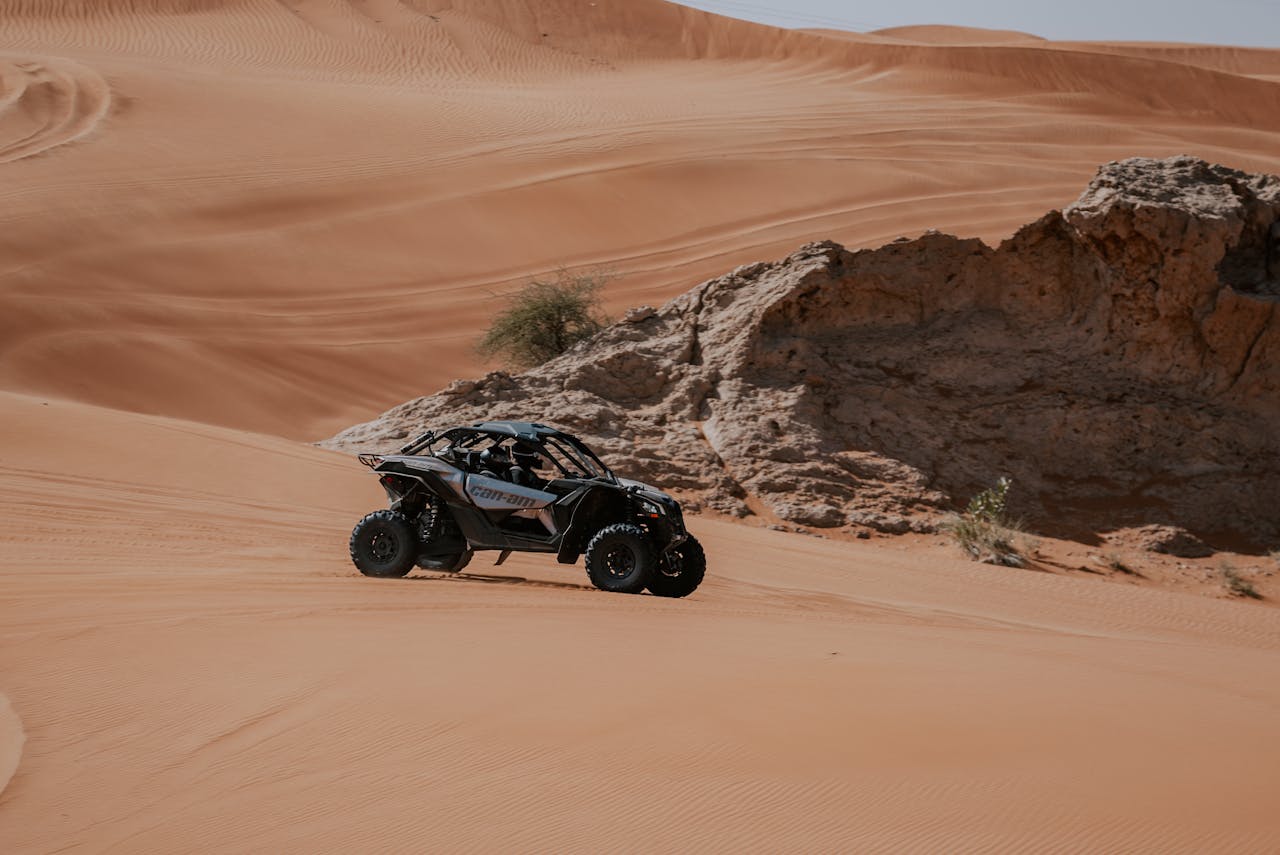
Not every safari activity works equally well across the year. Here is when each one is at its best.
| Activity | Best Months | Why |
|---|---|---|
| Dune bashing | Nov – Mar | Cooler sand creates firmer conditions. Drivers can push harder. Windows stay down. |
| Sandboarding | Nov – Feb | Cooler sand means fewer burns when you fall. Morning sessions are ideal. |
| Camel riding | Oct – Mar | Comfortable temperatures for both rider and camel. Longer ride durations in winter. |
| Evening camp & dinner | Nov – Feb | Cool, clear evenings. Sitting outdoors on cushions is comfortable. No sweating through dinner. |
| Stargazing | Dec – Feb | Clearest skies, lowest humidity, longest nights. Full moon nights add a surreal quality — the dunes glow silver. |
| Photography (sunset) | Nov – Feb | Cleaner air, lower humidity, sharper light. Golden hour lasts longer in winter. |
| Overnight camping | Dec – Feb | The only months where sleeping outdoors in the desert is comfortable. Summer nights remain above 30°C. |
| Quad biking | Oct – Apr | Extended comfortable hours. Summer limits quad sessions to early morning only. |
The time of day matters more in some months than others.
| Season | Morning Safari | Evening Safari | Overnight Safari |
|---|---|---|---|
| Winter (Nov–Feb) | Good — pleasant but sunrise is early and cold | Best — comfortable start, cool evening camp | Best — only time overnight is feasible |
| Spring (Mar–Apr) | Good — warm but manageable | Good — warm start, comfortable finish | Marginal — nights getting warm |
| Summer (May–Sep) | Recommended — finish before peak heat | Possible but hot first 90 min | Not recommended — nights above 30°C |
| Autumn (Oct) | Good | Good — heat breaking, evenings improving | Possible in late October |
For a detailed breakdown of what each safari type includes, check our comparison guide.
Best: November – February (weekday evenings)
The shorter daylight hours in winter mean evening safaris finish earlier (by 8:30–9:00 PM instead of 9:30–10:00 PM in summer). Cooler temperatures keep children comfortable, and weekday safaris have smaller groups — less overwhelming for little ones.
Best: December – February (evening safaris, midweek)
Winter sunsets are the most photogenic. Midweek safaris are quieter and feel more intimate. Some operators offer private sunset dinners during winter months — worth asking about when you book.
Best: December – January (evening safari for sunset, morning safari for soft dawn light)
Winter produces the best desert photography conditions: low humidity, clean air, long golden hours, and sharp light-shadow contrasts on the dunes. Full moon nights (check the lunar calendar before booking) turn the desert into a silver landscape worth photographing.
Best: May – September
Prices drop 30–50% across the board. Camps are empty. Morning safaris during summer months offer the best value-per-dirham in the entire safari calendar. You trade comfort for savings — a fair deal if you prepare for the heat.
Best: October – March
Every activity runs at full capacity. Dune bashing sessions are longer, sandboarding conditions are better, and quad biking is available for extended durations. Summer heat forces operators to shorten activity times.
Ramadan shifts dates each year (moving roughly 10–11 days earlier annually). During Ramadan, several aspects of the safari experience change:
Safaris absolutely run during Ramadan, and many visitors enjoy the quieter, more reflective atmosphere. If the full entertainment and dining experience is important to you, book outside Ramadan. If you are comfortable with the modifications and want fewer crowds, Ramadan can be a good time to visit.
This is one of the simplest ways to improve your safari experience, and almost nobody talks about it.
Are the UAE weekend. These are the busiest days for desert safaris. Camps are fuller, dune bashing groups are larger, and some operators raise prices by AED 20–50 per person on peak weekend evenings.
Are weekdays. Camps are quieter, dune bashing groups are smaller (often 3–5 vehicles instead of 8–12), and prices are lower. The experience itself is identical — same activities, same food, same entertainment — but with fewer people.
If your schedule is flexible, book a weekday evening safari. You get the same product with less crowding and often a better price.
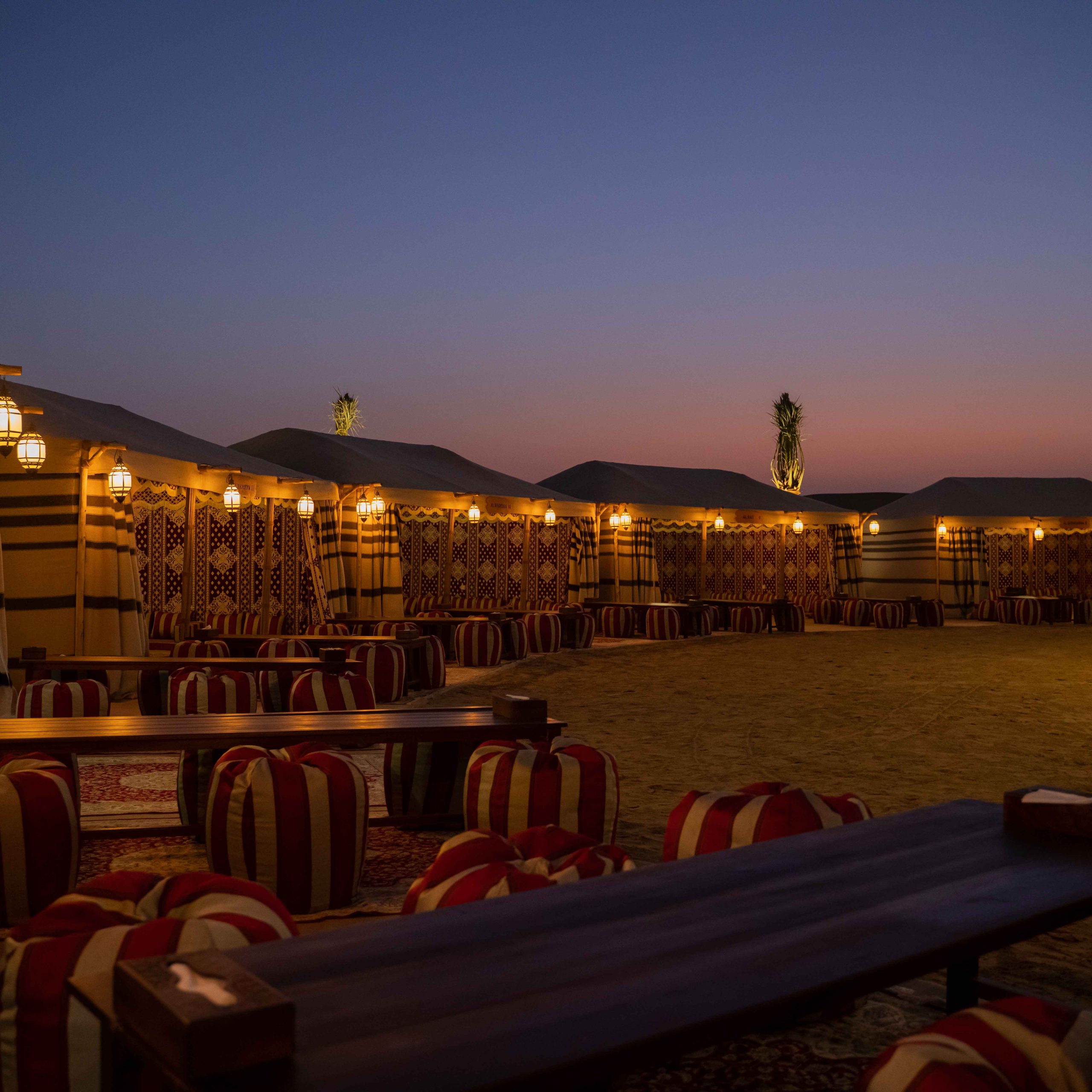
Several major events cause spikes in demand. Book early if your trip overlaps with any of these.
| Event | Typical Timing | Impact on Safaris |
|---|---|---|
| New Year's Eve | Dec 31 – Jan 2 | Highest demand of the year. Many operators sell out. Premium prices. |
| Dubai Shopping Festival (DSF) | Late Dec – Late Jan | Extended high season. Steady demand across the full month. |
| Eid al-Fitr | Moves annually (end of Ramadan) | 3–4 day holiday. Domestic and regional tourists flood safari bookings. |
| Eid al-Adha | Moves annually | Similar to Eid al-Fitr. High demand, limited availability. |
| UAE National Day | Dec 2–3 | Long weekend for residents. Local demand spikes. |
| School holidays | Late Jun – Early Sep, Mid-Dec – Mid-Jan | Families book further ahead. Group sizes increase. |
If your visit falls during any of these periods, book your safari at least two weeks in advance. During NYE and DSF, three weeks is safer.
January and February offer the best combination of weather, activity conditions, and daylight hours. Temperatures sit between 20–25°C during the day and 13–18°C in the evening — comfortable for every activity. February edges ahead slightly because holiday crowds have thinned by then.
Yes. Safaris operate year-round in Dubai. Summer temperatures (40–48°C) make daytime uncomfortable, but morning safaris that finish before noon and evening safaris that start after 3:30 PM are both viable options. Summer prices are 30–50% lower than peak season, and camps are significantly quieter.
It depends on the season. In summer (May–September), morning safaris are more comfortable — you finish before the worst heat. In winter (November–February), evening safaris are the better choice — comfortable temperatures, sunset viewing, BBQ dinner, and live entertainment. Spring and autumn work for either.
Yes. All adventure activities (dune bashing, sandboarding, camel riding) run normally. The BBQ dinner is served after iftar (sunset meal time), some entertainment may be modified, and alcohol is not served. Camps tend to be quieter, which some visitors prefer.
During peak season (November–February) and major events (NYE, DSF, Eid), book at least two weeks ahead — three weeks for premium or private packages. During summer and shoulder months, 2–3 days is usually sufficient. Same-day bookings are sometimes possible but not guaranteed.
Weekday safaris (Sunday–Thursday) are quieter, have smaller dune bashing groups, and often cost AED 20–50 less per person than weekend (Friday–Saturday) safaris. The activities and entertainment are identical. If your schedule is flexible, weekdays offer better value.
The calendar matters, but not as much as most guides suggest. Winter gives you the best weather. Summer gives you the best prices. Shoulder months give you a balance of both. And a weekday booking in any season beats a weekend one.
If you are visiting between November and February, book an evening safari at least two weeks out and bring a jacket for after sunset. If you are visiting in summer, book a morning safari, drink more water than you think you need, and enjoy having the dunes to yourself.
Every month of the year has a desert safari worth taking. The trick is matching your expectations to the season.
Choose the right time for your trip and experience Dubai's desert at its best.